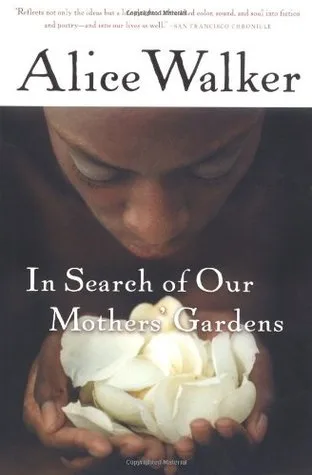
Alice Walker defines the term womanist to differentiate the specific struggles and creative histories of Black women from mainstream feminist movements. This collection of thirty-six essays and speeches spans fifteen years, documenting her efforts to recover the stifled artistic heritage of her ancestors. She examines how enslaved and impoverished women expressed their creativity through gardening, quilting, and storytelling when traditional art forms were denied to them. The text also includes literary analysis of Zora Neale Hurston’s work and provides a firsthand account of the American Civil Rights Movement.
Readers interested in the intersections of race, gender, and social history use this book to identify overlooked cultural contributions. It serves those researching the intellectual lineage of Black female writers and activists. The reader gains a framework for understanding how spiritual resilience and artistic expression survive under systemic oppression. By the end, they possess a vocabulary for describing a woman-centered worldview that prioritizes communal health and the preservation of folk traditions.
- Published
- 1983
- Language
- EN
Quotes by Alice Walker
More →The most common way people give up their power is by thinking they don't have any.
More by Alice Walker
See all →
Readers also enjoyed