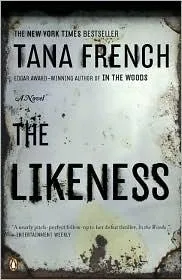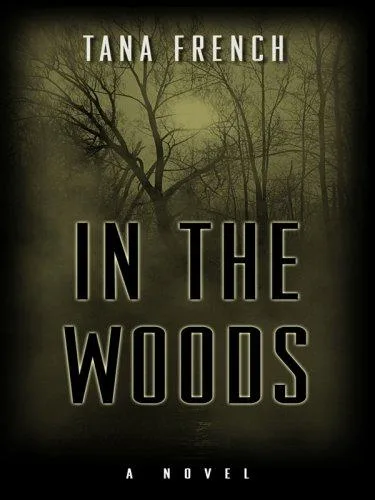
Dublin detective Rob Ryan investigates the murder of a twelve-year-old girl found at an archaeological site in the woods of Knocknaree. The location forces Ryan to confront his own suppressed past; twenty years earlier, he was the sole survivor of a disappearance in those same woods that left his two childhood friends missing. Alongside his partner Cassie Maddox, Ryan navigates the tension between professional forensic procedures and his deteriorating psychological stability. The investigation focuses on local neighborhood dynamics, family secrets, and the elusive nature of memory.
Readers who prefer psychological realism over standard police procedurals will find a study of how trauma dictates professional failure. The book attracts those interested in the fallibility of narrators and the lingering impact of unsolved cold cases. Instead of a tidy resolution, the audience encounters a blunt depiction of how personal history can sabotage justice. A reader finishes the book with an understanding of how repression functions as a survival mechanism and why some mysteries remain permanently unanswered.
Inward-looking and open-ended; a moderate read.
Best for readers like The Empathetic Explorer. Which reader are you?
Insights from In the Woods
“What I am telling you is that I have no memory of the single most important event of my life.”
Rob thinks he can outrun the woods by wearing a suit and Badge 2524. He forgets that the past is a physical place with teeth.
“I am a detective. Our relationship with truth is fundamental but cracked.”
Cassie is the only person who truly sees Rob. He throws that away because he is terrified of being known.
“The woods were the only place where we were safe and the only place where we were not.”
The Katy Devlin case feels like a ghost of the 1984 disappearance. Those kids never left the forest even if one of them grew up.
Memories are just stories we tell to keep from drowning. Sometimes we leave the most important parts at the bottom of the lake.
- Published
- 2007
- Language
- EN