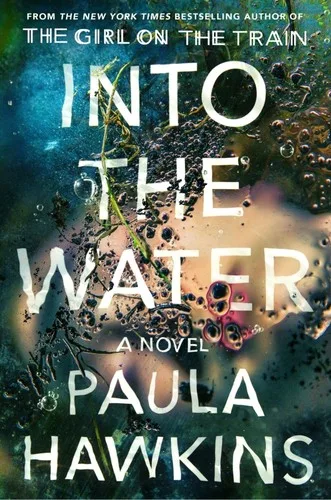
In the English village of Beckford, residents have long died in a stretch of the river known as the Drowning Pool. When Nel Abbott is found dead in the water, she becomes the second woman to perish there in a single summer. Her estranged sister, Jules, returns to the town to care for Nel’s orphaned teenage daughter, Lena. Through a shifting narrative involving local police, grieving families, and historical accounts of seventeenth-century witch trials, the story tracks how memory can be unreliable. It examines how local legends and buried secrets about past fatalities influence the investigation into Nel's final moments.
Fans of multi-perspective psychological fiction read this book to analyze how trauma distorts personal recollection. The narrative suits those interested in small-town dynamics and the specific tension between institutional law and local mythology. Readers finish the book with an understanding of how collective silence sustains systemic abuse across generations. It provides a technical case study in unreliable narration and the ways past violence dictates the present behavior of a community.
Insights from Into the Water
“Memory is a selective act.”
Memories feel like solid facts until someone else tells their version. Nel and Jules remember their childhood so differently it feels like they lived in separate houses.
“Beckford is not a place for women who are difficult.”
Small towns have a way of holding onto old ghosts. Everyone in Beckford seems to be drowning in secrets they inherited from their parents.
“The Drowning Pool was not a place for the faint of heart.”
The river is more than just water to these people. It acts like a magnet for every woman who ever felt trapped by the town.
“I need to tell you about the water.”
Jules carries so much guilt over a phone call she never answered. It shows how one tiny moment of spite can change the rest of your life.
- Published
- 2017
- Publisher
- Riverhead Books
- ISBN
- 9780735211209
- Language
- EN