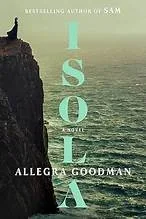
Set in the nineteenth century, Isola follows a young woman navigating the isolation of a remote maritime setting and the rigid expectations of her social class. The narrative centers on her intellectual and romantic awakening as she encounters a stranger who challenges her understanding of duty and autonomy. Through detailed depictions of coastal landscapes and domestic interiors, the story tracks the development of an intense emotional bond that risks the stability of her family’s reputation. The plot details the friction between private desire and the public requirements of a structured society.
Readers of historical romance and period dramas will find a focused study of intimacy and social constraint. It appeals to those looking for a slow-burning relationship set against a backdrop of meticulous historical detail and atmospheric tension. The reader walks away with a clear picture of how individual identity is forged through the conflict between personal conviction and cultural tradition. It provides a specific look at the limits of female independence before the turn of the century and the consequences of choosing an unconventional path.
Insights from Isola
“She was a guest who could not leave.”
Honor starts out seeing the island as a fresh start for her career. Watching her realize it is actually a cage felt heavy.
“Privacy was the one thing they couldn't afford.”
The way the producers watch every private moment makes everything feel fake. Even a real conversation starts to feel like a performance for the cameras.
“He wanted to be seen, but not like this.”
Jack is so desperate for connection that he ignores all the red flags. It is hard to watch him mistake surveillance for being cared about.
Technology in this story does not feel like the future. It feels like a mirror that only shows us our worst impulses.
- Published
- 2025
- Publisher
- The Dial Press
- Language
- EN