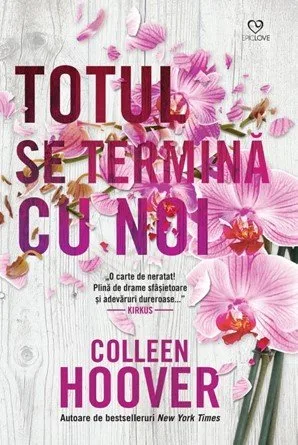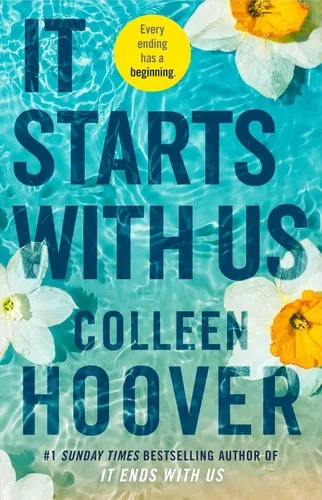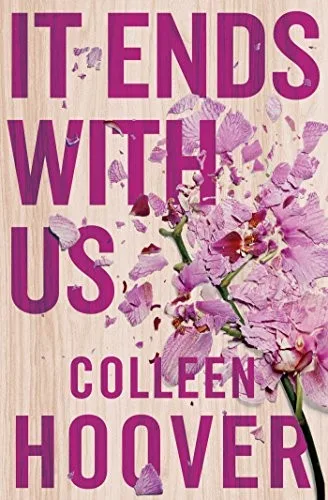
Lily Bloom moves to Boston to open her own floral shop, where she meets Ryle Kincaid, a neurosurgeon who initially avoids serious commitment. Their relationship progresses until Ryle’s sudden outbursts of physical violence change the dynamic of their marriage. Simultaneously, Lily’s first love, Atlas Corrigan, reappears in her life. Lily finds herself trapped in the same cycle of domestic abuse she witnessed between her parents as a child. She must decide whether to forgive Ryle’s volatile behavior or break the historical pattern of her family's trauma.
This narrative suits readers interested in realistic portrayals of domestic volatility and the psychological difficulty of leaving an abusive partner. It appeals to those who want to understand why victims stay in toxic situations. The reader gains a practical perspective on the intersection of love and safety, ending the book with a clear view of how generational cycles of harm are sustained or stopped through difficult individual choices.
Insights from It Ends With Us
“I'll keep planting my gardens. I'll keep my head above water.”
Atlas keeping that old bus ticket showed how much he valued their survival. He remembered the girl who fed him when he had nothing.
“Cycles exist because they are excruciating to break.”
Lily finally understood her mother once she felt that same fear. The cycle is a circle until someone decides to walk away.
Ryle's past trauma explained his rage but it never excused it. Understanding a person’s pain isn't a reason to stay and be hurt.
“Please keep swimming, Lily.”
The scene in the hospital after the birth changed everything. Lily looked at her daughter and realized she couldn't let history repeat itself.
- Published
- 2012
- Language
- EN