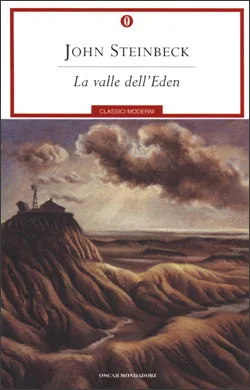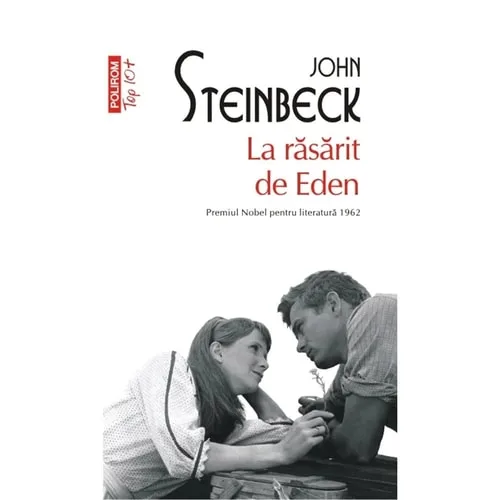
Set in the Salinas Valley of California, the narrative follows the parallel trajectories of the Trask and Hamilton families across the late nineteenth and early twentieth centuries. Adam Trask attempts to build a paradise on his ranch, only to be abandoned by his wife, Cathy, a woman devoid of conscience who leaves him to raise their twin sons, Caleb and Aron. The plot reworks the biblical story of Cain and Abel, focusing on the competition for paternal affection and the concept of "timshel"—the Hebrew idea that individuals possess the agency to choose between virtue and vice regardless of their hereditary traits.
Readers of historical sagas and multi-generational dramas find here a detailed study of psychological inheritance and moral autonomy. The book attracts those interested in how family secrets and trauma pass through bloodlines. By the final chapter, the reader understands the tension between predestination and free will. It offers a clear look at how personal choices, rather than innate depravity or goodness, dictate a person's character and their eventual standing within their community and family.
Insights from La răsărit de Eden
Cathy e un monstru pur și n-are nicio scuză. Unii oameni se nasc fără suflet și nu-i poți repara cu iubire.
“Tu poți.”
Timshel schimbă totul. Nu ești obligat să fii rău doar pentru că părinții tăi au fost praf. Ai de ales.
Samuel Hamilton e singurul personaj care contează cu adevărat. Omul ăla n-avea nimic, dar vedea totul în culori.
Charles și Adam sunt doar un alt capitol dintr-o ceartă veche de când lumea. Gelozia între frați e cea mai urâtă boală.
- Published
- 2015
- Publisher
- Polirom
- ISBN
- 9789734655182
- Language
- RO
Quotes by John Steinbeck
More →Power does not corrupt. Fear corrupts, perhaps the fear of a loss of power.
The Short Reign of Pippin IV