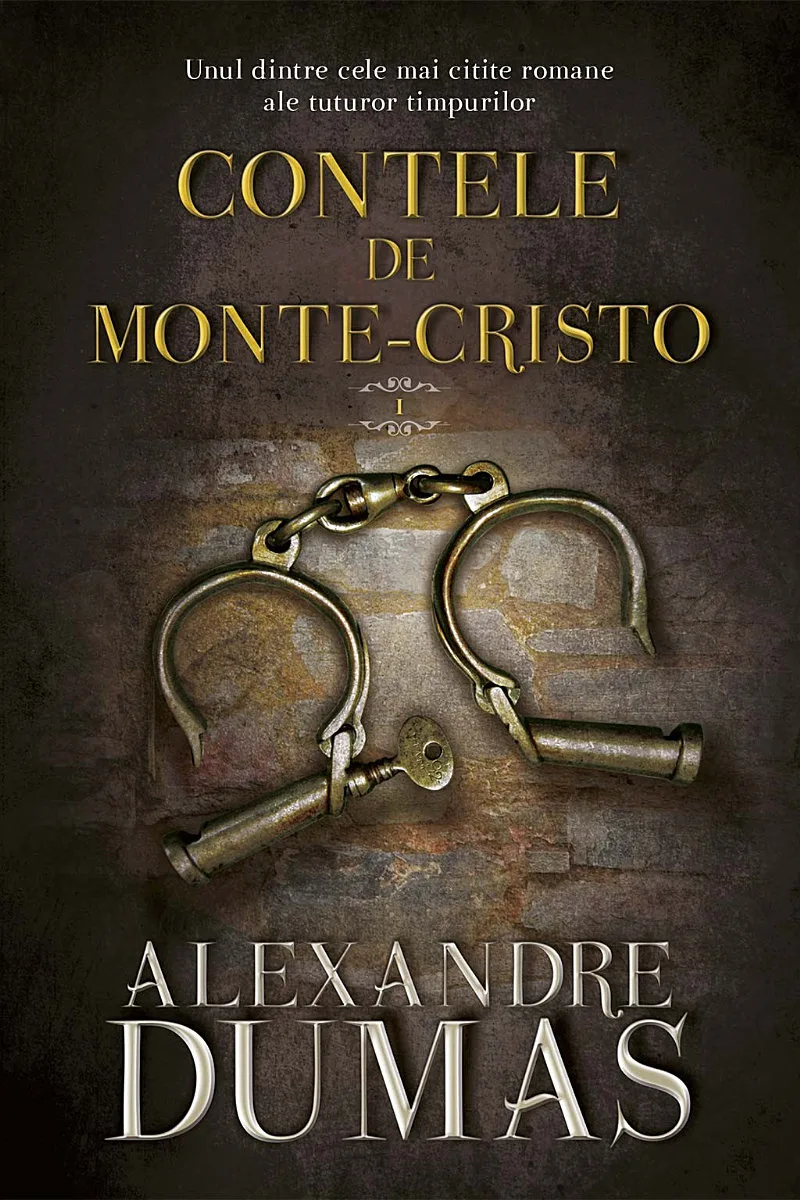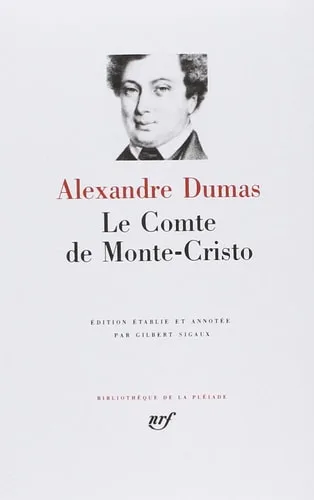
In 1815, young sailor Edmond Dantès is arrested on his wedding day, framed for treason by a group of jealous rivals. He spends fourteen years in the isolated Château d’If, where an elderly cellmate teaches him history, science, and the location of a hidden fortune. After a daring escape, Dantès recovers the treasure and travels to Paris under the alias of the Count of Monte Cristo. He executes a decade-long plan to systematically dismantle the lives of the men who betrayed him, using his vast wealth to engineer their financial ruin and social disgrace.
Readers of historical fiction and psychological drama value this narrative for its detailed examination of retributive justice and the limits of human morality. The book appeals to those interested in the political shifts of post-Napoleonic France and the mechanics of social manipulation. A reader gains a thorough understanding of the distinction between legal punishment and personal vengeance. The story leaves one considering whether absolute power naturally results in divine justice or merely repeats the cruelty it intended to avenge.
Insights from Le Comte de Monte-Cristo
“Attendre et espérer.”
Edmond passe quatorze ans dans un trou noir pour rien. Sa patience est terrifiante. C'est l'histoire d'un homme qui devient un dieu juste par pur entêtement.
“Dieu m'a fait pour cela.”
La vengeance de Dantès est une machine de guerre. Il ne pardonne jamais vraiment aux traîtres de Marseille. Il les brise un par un avec une précision chirurgicale.
“Apprendre n'est pas savoir.”
L'abbé Faria est le vrai héros ici. Sans ce vieillard et ses cours de langues dans une cellule, Edmond serait mort anonyme. Le savoir est sa seule arme réelle.
Mercédès a refait sa vie trop vite. Son amour n'a pas tenu face au temps et au confort. Elle reste le plus grand regret d'Edmond malgré son immense fortune.
- Published
- 1844
- Publisher
- Gallimard
- ISBN
- 9782070109791
- Language
- FR