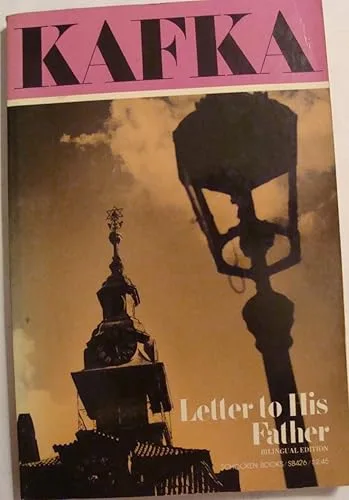
In this unsent document, Franz Kafka addresses his father, Hermann Kafka, to dissect their dysfunctional relationship and the psychological damage caused by his father’s overbearing personality. Kafka argues that his father's physical bulk and emotional volatility created an atmosphere of constant fear, which stunted his own development and self-confidence. He cites specific instances of domestic tyranny, such as being locked on a balcony for whimpering, and explains how his father's hypocrisy regarding Jewish traditions and social conduct prevented any meaningful emotional connection. The text functions as a detailed breakdown of the ways paternal authority shaped Kafka's feelings of inadequacy and guilt.
Readers interested in the intersection of biography and literature turn to this work to understand the origins of the isolation found in Kafka's famous novels. It serves as a case study for those analyzing the psychological impact of authoritarian parenting or the dynamics of family trauma. The reader walks away with a clear view of how personal history informs creative output and an understanding of the specific tensions that existed between these two men. It provides a stark look at the internal life of a son struggling to assert his identity against a dominant shadow.
Deep, inward-looking, contemplative and open-ended; a moderate read.
Best for readers like The Wisdom Collector. Which reader are you?
- Published
- 1919
- Language
- EN