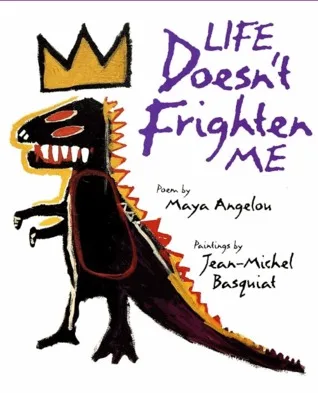
Maya Angelou’s poem pairs with the abstract, gritty paintings of Jean-Michel Basquiat to confront universal childhood fears. The text enumerates specific sources of anxiety, including barking dogs, shadows on the wall, mother goose stories, and schoolyard bullies. Rather than avoiding these threats, the narrator stares them down, using a repetitive rhythmic chant to assert control over the internal sensation of panic. The imagery blends urban graffiti aesthetics with rhythmic verse to depict a child navigating both imaginary monsters and the physical dangers of a city environment.
This collaboration serves children who are experiencing nightmares or social anxiety, providing them with a linguistic tool to externalize their worries. It also attracts collectors of neo-expressionist art and educators looking for ways to discuss emotional resilience without using sugarcoated language. Readers finish the book with a specific method for self-regulation: the use of internal monologue to diminish the scale of a frightening object. The book offers a psychological blueprint for maintaining composure when facing the unknown or the intimidating.
- Published
- 1993
- Language
- EN
Quotes by Maya Angelou
More →People will forget what you said, people will forget what you did, but people will never forget how you made them feel.
If you don't like something, change it. If you can't change it, change your attitude.
We delight in the beauty of the butterfly, but rarely admit the changes it has gone through to achieve that beauty.