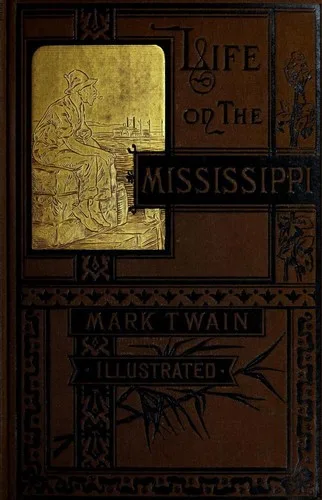
Mark Twain blends memoir and history to chronicle the evolution of the Mississippi River during the nineteenth century. The narrative begins with his apprenticeship as a "cub" pilot under the demanding Horace Bixby, where he masters the complex science of reading water currents, shifting sandbars, and nighttime shadows to navigate a steamboat safely. Following the American Civil War, Twain returns to find the industry transformed by the expansion of railroads. He records the physical changes in the river’s geography and the decline of the pilot’s once-dominant social status.
This work serves historians and travelers who want a technical look at how commerce functioned along America’s primary waterway before the internal combustion engine. Readers gain a practical understanding of 1800s river navigation and the specific vocabulary used by professional mariners. By examining the transition from manual labor to industrial automation, the audience learns how technology reshapes regional culture and permanent landscapes. It provides a firsthand account of how a localized trade becomes obsolete through national progress.
- Published
- 1883
- Language
- EN
More by Mark Twain
See all →