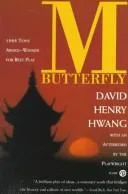
Set against the backdrop of the Cultural Revolution and the Vietnam War, the play follows Rene Gallimard, a French diplomat stationed in Beijing who conducts a twenty-year affair with Song Liling, a Chinese opera singer. Gallimard remains oblivious to the fact that Song is a legal man and a government spy, projecting his fantasies of submissive Eastern femininity onto his lover. The narrative deconstructs Puccini’s Madame Butterfly by reversing the roles of victim and predator, culminating in a courtroom trial and a final scene where Gallimard adopts the costume and fate of the tragic heroine.
Students of post-colonialism and gender studies read this work to examine how Western perceptions of Asia influence personal and political behavior. The text provides a framework for understanding Orientalism, specifically how racial stereotypes intersect with sexual desire to create systemic blind spots. Readers finish the play with a concrete understanding of how cultural arrogance dictates the way individuals perceive reality. They gain a sharp perspective on how power dynamics shape identity and the consequences of prioritizing colonial myths over human facts.
- Published
- 1988
- Language
- EN