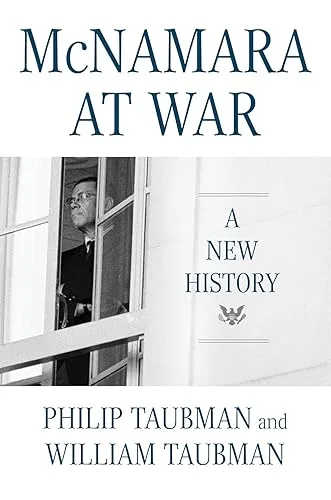
Philip Taubman examines the tenure of Robert McNamara as Secretary of Defense, focusing on his quantitative approach to warfare and its failure during the Vietnam conflict. The narrative details how McNamara applied corporate systems analysis and statistical modeling from his time at Ford Motor Company to the Pentagon’s operations. Taubman tracks the progression from McNamara’s initial confidence in data-driven strategy to his internal realization that body counts and logistics metrics could not overcome the political realities of North Vietnamese resistance or the flaws in American foreign policy.
Historians and students of mid-century American politics will value this study for its granular look at institutional decision-making. Readers gain a technical understanding of how top-down bureaucratic management shapes military outcomes and where purely rationalist frameworks collapse in the face of human variables. This account provides a profile of the intersection between Cold War ideology and modern defense management, leaving the reader with a clear view of the consequences when technocratic logic governs international conflict.
- Published
- 2025
- Language
- EN
Readers also enjoyed