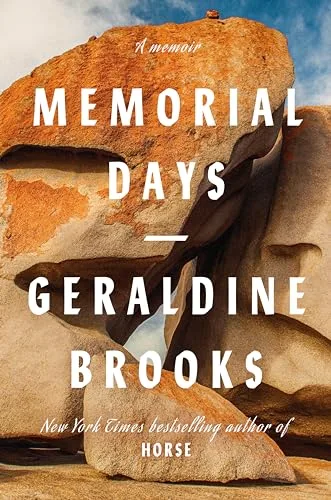
Geraldine Brooks examines the formation of historical memory through the lens of her own family lineage and her decades spent as a foreign correspondent. The narrative traces her transition from a Catholic upbringing in Sydney to her encounters with sectarian divisions in the Middle East and the American South. Brooks documents how specific monuments, oral traditions, and archival silences shape national identities. She analyzes the tension between objective historical records and the subjective myths that families curate over generations, focusing on how individuals reconcile private grief with public commemorations of war and migration.
Historians and readers of investigative memoirs will find a meticulous study of how the past is weaponized or forgotten. The text serves those interested in the craft of non-fiction and the ethics of reporting on inherited trauma. Readers gain a framework for auditing their own genealogical myths and a clearer understanding of how collective memory functions as a political tool. The book provides a method for distinguishing between stagnant nostalgia and the lived reality of ancestral experiences, leaving the reader with a sharper eye for the biases found in official histories.
- Published
- 2025
- Language
- EN