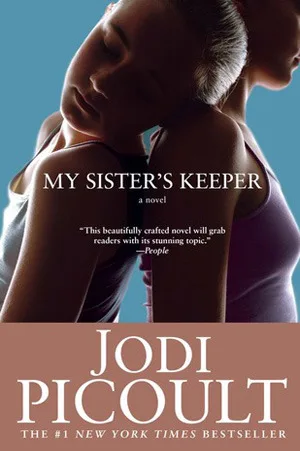
Thirteen-year-old Anna Fitzgerald was conceived through preimplantation genetic diagnosis to serve as a biological match for her older sister, Kate, who suffers from acute promyelocytic leukemia. After years of donating umbilical cord blood, white particles, and bone marrow, Anna sues her parents for medical emancipation when she is expected to donate a kidney. This legal battle, led by attorney Campbell Alexander, forces the Fitzgerald family to confront the ethics of genetic engineering and the bodily autonomy of a child created for a specific medical purpose.
Readers interested in the intersections of bioethics and family dynamics find a detailed examination of how chronic illness dictates the roles of every household member. People who study the limits of parental authority and the moral standing of "savior siblings" use this narrative to evaluate competing rights between loved ones. You walk away with a clear understanding of the legal standards for informed consent in minors and the psychological toll of being defined by a sibling’s survival.
Insights from My Sister's Keeper
“I was born because a scientist managed to hook up my mother's eggs and my father's sperm to create a specific combination of precious genetic material.”
Anna was born just to keep her sister alive. It makes me wonder if she ever felt like a whole person on her own.
“In the house of the sick you can't ever be certain of anything.”
Sara is so focused on Kate surviving that she stops seeing her other kids. She loves them but they become invisible in the hospital hallways.
“If you have a heart, you can't help but feel it breaking.”
Campbell hides his seizures behind a service dog and a sarcastic attitude. It is painful to see how much energy he spends pretending he is fine.
“I am a freak of nature. A biological mistake.”
Jesse burns things down just so someone will look at him. He is the forgotten child in a house where every breath is a crisis.
- Published
- 2004
- Language
- EN