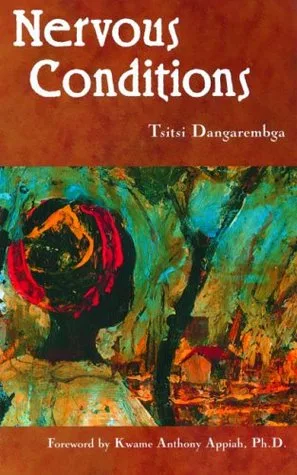
Set in 1960s Rhodesia, this novel follows Tambu's struggle to secure an education within a patriarchal Shona society increasingly shaped by British colonialism. The narrative centers on the tension between rural poverty and the Westernized lifestyle of her uncle, Babamukuru, who heads a missionary school. Through the contrasting experiences of Tambu and her cousin Nyasha, the story documents the psychological erosion caused by cultural assimilation. It details specific conflicts over gender roles, academic achievement, and the physical manifestation of nervous disorders resulting from the attempt to reconcile indigenous identity with colonial expectations.
Sociologists and students of post-colonial history read this work to understand the specific intersection of gender and race under minority rule. The text provides a framework for analyzing how colonial education acts as both a tool for social mobility and a mechanism for alienation. Readers walk away with a clear perspective on the dual burden faced by African women who must navigate the restrictive traditions of their own communities while resisting the dehumanizing structures of a foreign political system.
- Published
- 1988
- Language
- EN
More by Tsitsi Dangarembga
See all →

Readers also enjoyed