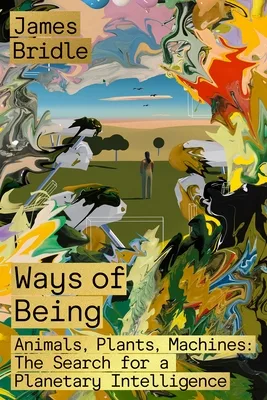
James Bridle argues that the abundance of data and the increasing complexity of computational systems are obscuring our understanding of reality rather than clarifying it. The text identifies a paradox where more information leads to greater systemic confusion, a phenomenon Bridle terms the new dark age. He analyzes specific instances where algorithmic automation and planetary-scale computation fail, ranging from the unpredictable behavior of YouTube’s recommendation engines to the inaccuracies of high-frequency trading and the environmental toll of data centers. Rather than viewing technology as a tool for objective progress, the author examines how it fuels climate instability, economic inequality, and the erosion of coherent public discourse through unintended feedback loops.
Technologists and social theorists read this book to understand the limitations of digital solutionism and the dangers of treating software as a neutral force. Readers walk away with a skeptical framework for analyzing the infrastructure of the internet and the hidden biases of artificial intelligence. It serves as a guide for those who want to recognize how automated systems shape human cognition and political structures. The audience gains a clearer view of the friction between massive datasets and the actual physical world, learning why more computation does not necessarily produce better decisions.
- Published
- 2018
- Language
- EN