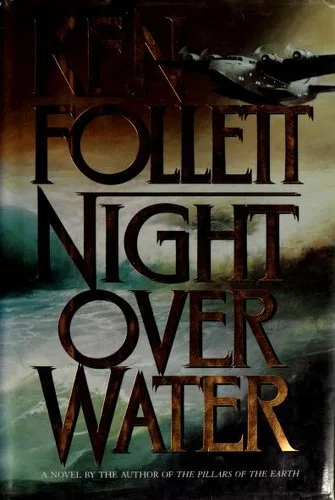
In September 1939, as England declares war on Germany, a group of high-society travelers boards the Pan American Clipper for a final thirty-hour luxury flight from Southampton to New York. The passenger list includes an English aristocrat escaping with his family, a scientist fleeing the Nazis, a jewel thief, and an industrialist facing a kidnapping plot. As the flying boat crosses the Atlantic, the confined space forces these strangers into high-stakes confrontations involving espionage, theft, and blackmail while the crew struggles with mechanical sabotage intended to force a ditching at sea.
Historical fiction readers choose this book for its technical detail regarding mid-century aviation and the rigid social hierarchies of the pre-war era. It appeals to those looking for a closed-room mystery set at thirty thousand feet. Readers finish the story with an understanding of the immense logistical challenges of early transatlantic flight and how the sudden onset of international conflict reshapes personal loyalties and legal identities overnight.
Insights from Night Over Water
Every person on that Pan Am Clipper is running from something. Some escape war while others flee their own bad choices. Desperation makes for very strange seatmates.
“She felt a sudden, sharp pang of love for her father, even though she hated everything he stood for.”
Margaret Oxenford feels like she is finally waking up. Her father is a literal fascist. That kind of family tension makes a long flight feel even heavier.
Eddie Deakin is stuck in an impossible spot. He has to choose between his wife's life and the safety of his passengers. It makes you wonder how much you would sacrifice for love.
Luxury is just a thin mask for anxiety here. They are eating five course meals over the Atlantic while Europe falls apart. The contrast is chilling.
- Published
- 1981
- Language
- EN