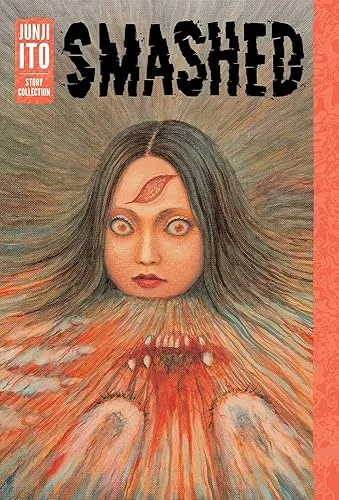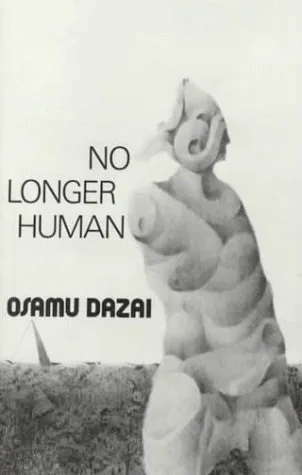
Yozo Oba lives behind a literal and figurative mask, faking a persona of a cheerful clown to hide his profound alienation from the human race. This manga adaptation of the classic novel tracks Yozo’s descent through alcoholism, addiction, and failed suicides as he navigates the social hierarchies of pre- and post-war Japan. Junji Ito utilizes body horror and grotesque visual metaphors to depict Yozo’s inner psyche and his perception of others as predatory monsters. The story documents a man who considers himself a failure as a human being.
Readers who value psychological realism and dark aesthetic interpretations will find a visceral portrayal of clinical depression and social anxiety. Those who study the intersections of literature and horror can observe how internal trauma translates into disturbing physical imagery. The reader finishes the book with a stark understanding of total isolation and the consequences of being unable to integrate into societal norms. It serves as a study for anyone curious about the limits of empathy and the results of lifelong emotional estrangement.
Insights from No Longer Human
Drugs and alcohol become his only way to breathe. He uses them to numb the fact that he feels like an alien. It shows how easily someone can slip into that darkness.
“The Yozo we knew was so easy-going and amusing.”
The scene with the bar madam at the end is so quiet. She says he was a good boy even after everything. It reminds me that we are often kinder to others than we are to ourselves.
The art style makes the internal pain look external. The jagged lines and dark ink make his depression feel like a physical monster. You can almost feel the weight of his thoughts on the page.
“I have always shook with fright before human beings.”
Seeing him try to fit in at school was painful to read. He forces himself to do silly things just so no one asks him how he really feels. It is a lonely way to live.
- Published
- 2019
- Publisher
- VIZ Media
- ISBN
- 9781974707096
- Language
- EN