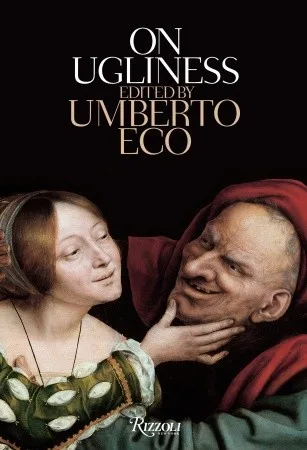
Umberto Eco examines how aesthetic repulsion shifted from an absolute moral category to a nuanced stylistic choice. He tracks this evolution using a chronological framework that ranges from the terrifying imagery of medieval demons and Bosch’s twisted landscapes to the decadence of Victorian kitsch and modern industrial decay. The text argues that ugliness is not merely the absence of beauty, but a distinct, complex expression often linked to cruelty, the supernatural, or the marginalized. Eco combines excerpts from philosophical treatises and poetry with high-resolution reproductions of paintings and cinema stills to demonstrate how societies define themselves by what they reject.
This work serves art historians, cultural critics, and designers who want to understand the psychological mechanics of disgust and fascination. Readers gain a technical vocabulary for analyzing the grotesque and the macabre beyond simple shock value. By the final chapter, the reader understands how contemporary culture has neutralized the offensive, transforming previously "ugly" traits into symbols of authenticity or subversion. It provides the historical context necessary to interpret why modern audiences find beauty in the distorted, the asymmetrical, and the conventionally repulsive.
- Published
- 2007
- Language
- EN