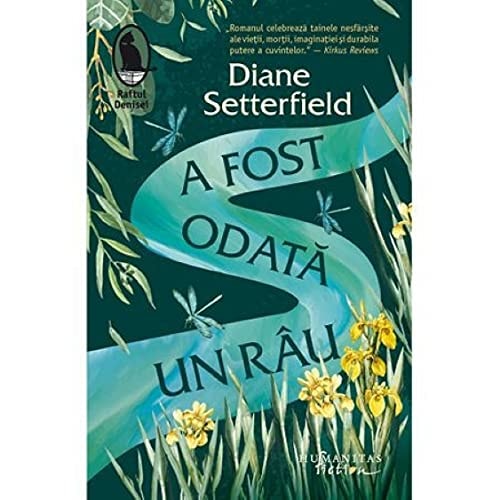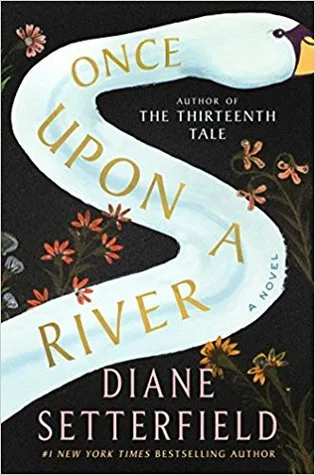
On a winter night at the Swan Inn along the Thames, a wounded stranger staggers through the door carrying the lifeless body of a small girl. Hours later, the child miraculously begins to breathe again. Three local families claim her as their own: the Vaughans, whose daughter was kidnapped two years prior; the Robinscots, seeking a secret granddaughter; and the housekeeper Lily, who believes the girl is her long-lost sister. Meanwhile, the village photographer, Henry Daunt, attempts to document the event while residents debate whether the revival is a medical anomaly or folklore come to life.
Readers of historical fiction who appreciate atmospheric settings and intricate ensemble casts will find value in this narrative. It serves those interested in the tension between nineteenth-century scientific advancement and the oral traditions of rural England. The story provides a detailed look at how communities construct myths to explain the inexplicable. Instead of a simple mystery, the reader receives a meditation on grief and the way stories act as a bridge between the living and the dead.
Insights from Once Upon a River
“The river knows everything; it has no need for memory.”
The river is the main character and it holds every secret. People try to name it or tame it. The water just keeps moving and taking what it wants.
That little girl appearing out of nowhere felt like a ghost story. Then she turned into a mirror for everyone else. They all saw the child they had lost in her eyes.
“There is no such thing as a story that is not true.”
Every person at the Swan has a story to tell to pass the time. Sometimes the stories are more real than the people telling them. Words have a strange way of becoming flesh.
Joe Bliss lives for his wife and his pub. His love is the quietest thing in the room. It feels like the only anchor in a very messy world.
- Published
- 2018
- Publisher
- Atria/Emily Bestler Books
- ISBN
- 9780743298070
- Language
- EN