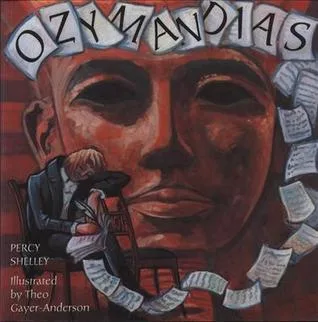
This sonnet depicts a traveler describing a ruin located in an empty desert. The physical remains consist of two detached stone legs and a shattered face half-buried in the sand. An inscription on the pedestal identifies the subject as Ozymandias, King of Kings, and instructs observers to look upon his vast works and despair. Despite these words, nothing remains around the statue but shifting sands. The poem contrasts the boastful permanence of political authority with the inevitable decay caused by time and natural elements.
Readers of classic literature and history study this work to understand the fragility of human legacy. It attracts those interested in the relationship between artistic preservation and the collapse of empires. The text provides a specific case study in irony, showing how a ruler’s monument eventually serves as an unintended testament to his own obscurity. A reader finishes the poem with a stark visual representation of how time erases individual ambition and physical monuments alike.
- Published
- 1817
- Language
- EN