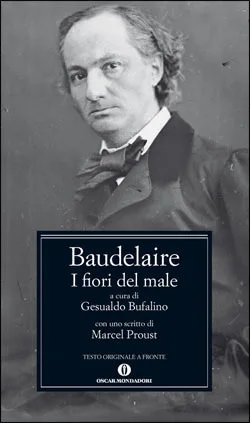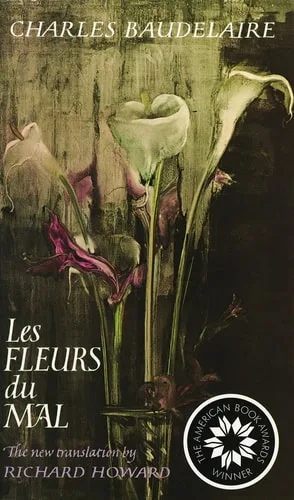
This collection, centered on the expanded second edition of Les Fleurs du mal, examines the friction between spiritual aspiration and physical decay within mid-century Paris. Baudelaire documents the sensory overload of the modern city, focusing on the lives of social outcasts, the cyclical nature of boredom, and the visceral details of death. He employs formal sonnets and neoclassical structures to describe subjects previously considered grotesque, such as rotting carcasses and the hallucinogenic effects of wine and opium. The text outlines a framework of correspondences where perfumes, colors, and sounds facilitate an escape from the crushing weight of chronological time and moral failure.
Readers interested in the intersection of aesthetics and urban sociology turn to this work to observe how strict meter can contain chaotic psychological states. It appeals to those studying the transition from Romanticism to Symbolism and anyone seeking a technical analysis of melancholy and urban solitude. The reader leaves with a precise vocabulary for describing internal alienation and a perspective on how beauty functions in environments of squalor. The book provides a map of the nineteenth-century subconscious, offering a rigorous examination of the relationship between artistic creation and personal self-destruction.
- Published
- 1860
- Language
- EN