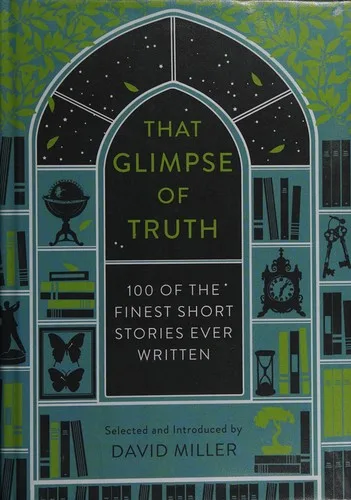
The narrative unfolds during a Christmas gathering where a marginalized family member, referred to as the Poor Relation, recounts his life story to his more affluent kin. He describes a dual existence: a bleak reality of modest employment and a cramped lodging in Digberry Street, contrasted against a vivid internal world titled his Castle. In this mental refuge, he possesses the wealth, social standing, and romantic success with his first love, Christiana, that he lacks in his physical circumstances. He uses this private narrative to maintain his dignity despite his cousins’ condescension.
Readers of classic Victorian short fiction and character sketches value this work for its psychological observation of internal coping mechanisms. It appeals to those interested in the social dynamics of the nineteenth century and the mental strategies individuals use to reconcile personal failure with societal expectations of success. The reader understands how imagination functions as a survival tool for the disenfranchised. By the end, the audience recognizes the stark boundary between public poverty and the private richness of a human’s inner life.
- Published
- 2015
- Language
- EN
Quotes by Charles Dickens
More →It was the best of times, it was the worst of times, it was the age of wisdom, it was the age of foolishness.
A Tale of Two Cities