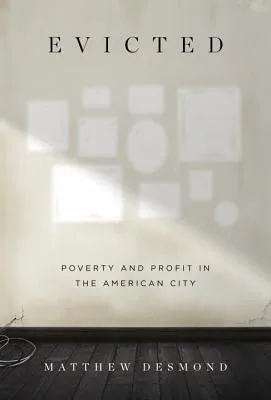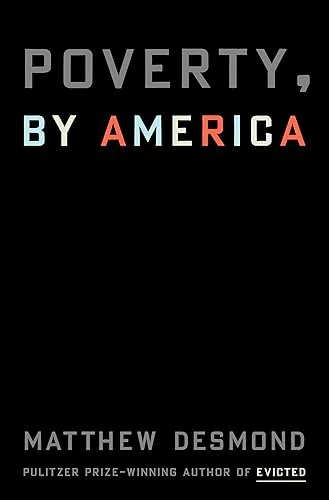
Matthew Desmond identifies the persistence of American poverty as a deliberate byproduct of the advantages enjoyed by the secure classes. He argues that affluent citizens benefit directly from cheap labor, subsidized mortgage interest deductions, and exclusionary zoning that protects property values while trapping others in high-rent neighborhoods. The text documents how the United States spends more on social programs than many other nations but directs those resources toward tax breaks for the wealthy rather than direct aid for the poor. It highlights the systemic extraction of wealth through payday loans and the intentional weakening of labor unions.
This book serves readers interested in socioeconomic policy, urban planning, and the structural mechanics of inequality. It appeals to those who want a data-driven look at how private consumption and public policy intersect to maintain a rigid class hierarchy. Readers gain a specific vocabulary for discussing the "poverty abolition" movement and an understanding of how their own financial habits and local tax codes contribute to national instability. It provides a framework for recognizing the hidden subsidies that maintain middle-class stability at the expense of those living below the poverty line.
Outward-looking and clear-cut; an easy read.
Best for readers like The Evidence Seeker. Which reader are you?
- Published
- 2023
- Language
- EN