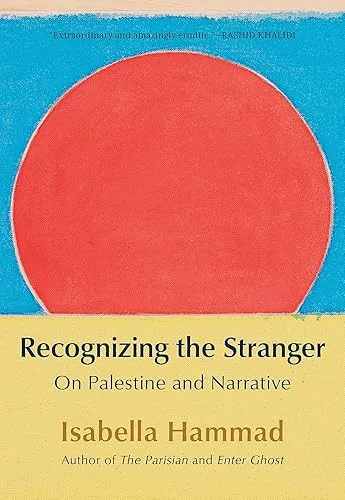
Isabella Hammad examines the function of recognition in storytelling as a tool for political and social awakening, specifically within the context of the Palestinian struggle. She utilizes the Aristotelian concept of anagnorisis—the moment a character moves from ignorance to knowledge—to analyze how narratives about Palestine are constructed and received globally. The text traces the connections between literary craftsmanship and historical turning points, arguing that the way a story identifies a "stranger" determines the reader's moral positioning. Hammad draws from her experiences as a novelist to discuss the burden of representation and the tension between aesthetics and activism during the ongoing occupation.
This book serves writers, historians, and students of post-colonial literature who seek a technical understanding of how art intersects with crisis. Readers gain a framework for analyzing how narrative shifts influence public perception of human rights. It provides a methodical look at the responsibility of the author in times of violence, offering a perspective on how structured storytelling helps or hinders the pursuit of collective liberation and international recognition.
- Published
- 2024
- Language
- EN
More by Isabella Hammad
See all →
Readers also enjoyed