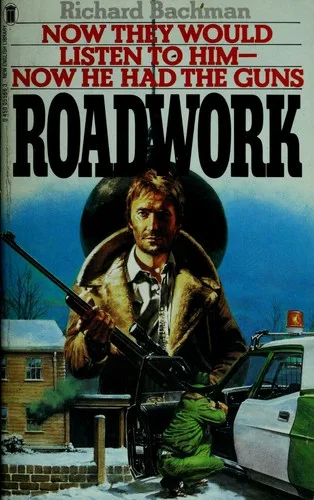
In 1970s suburban America, Barton Dawes faces the forced demolition of his home and his workplace to make room for a new highway extension. Grief-stricken by the past death of his son and the impending collapse of his marriage, Dawes refuses to relocate. While the city government and construction crews advance, he utilizes his severance pay to stockpile heavy weaponry and explosives. The narrative tracks his psychological disintegration as he engages in a circular battle against urban design, bureaucracy, and the inevitability of industrial progress, culminating in a violent standoff at his property line.
This novel serves readers interested in the darker psychological fringes of the crime and thriller genres. Those who study the friction between individual property rights and municipal development will find a detailed portrait of a man unraveled by civil engineering. Readers walk away with a grim understanding of how urban displacement triggers personal instability. It attracts an audience seeking a grounded, character-driven account of social alienation rather than supernatural elements, offering a bleak look at the cost of modern infrastructure on the human psyche.
Insights from Roadwork
“The road was the thing.”
Barton Dawes watches the highway construction eat his neighborhood. It feels like watching a slow motion car crash. He just can't look away from the wreck.
Grief makes Barton buy high powered rifles instead of moving out. He is mourning his son and his house at the same time. Everything is slipping through his fingers.
“He was a man who had come to the end of his rope.”
The laundry company where he works feels like a prison. He realizes he spent his whole life building a world that doesn't want him. It makes you wonder what you're actually building.
“She was gone. She was really gone.”
His wife Mary leaves because she can't live in a ghost house. She wants to survive but Barton wants to haunt the place. It shows how loss can split a couple in two.
- Published
- 1981
- Language
- EN
Quotes by Stephen King
More →Books are a uniquely portable magic.
On Writing
The most important things are the hardest to say, because words diminish them.
The Body