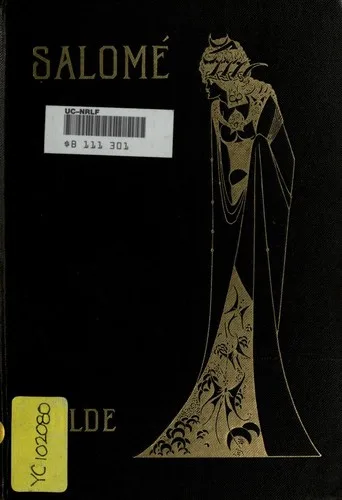
Oscar Wilde’s tragedy reimagines the biblical account of Salomé, the stepdaughter of King Herod Antipas. Trapped in a claustrophobic atmosphere of voyeurism and obsession, Salomé becomes fixated on the imprisoned prophet Iokanaan, who rejects her advances with religious vitriol. During a banquet, Herod offers Salomé any reward in exchange for her performance of the Dance of the Seven Veils. She demands the prophet’s severed head on a silver charger. The play concludes with a grim manifestation of necrophilia and immediate execution, framed by celestial omens.
This drama attracts students of aestheticism and Decadent literature who value stylized, rhythmic dialogue and sensory imagery. Readers study the text to observe how Wilde subverts Victorian moral standards through depictions of perverse desire and the "femme fatale" archetype. The work provides a study in symbolism, particularly the shifting appearance of the moon as a harbinger of death. Those interested in the relationship between theatre and censorship read it to understand why its depiction of biblical figures was legally prohibited from the London stage for decades.
- Published
- 1893
- Language
- EN