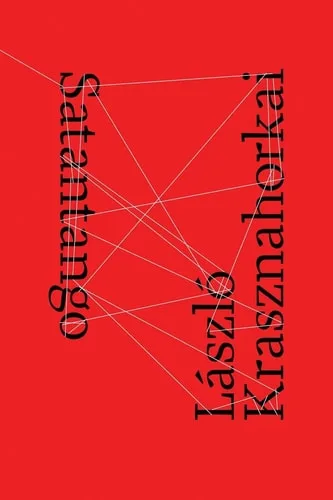
In a desolate, rain-slicked Hungarian farming collective, a small group of residents plans to abandon their decaying commune following a failed agricultural venture. Their departure is stalled by news that Irimiás, a charismatic figure presumed dead, is returning to the estate. As the villagers wait in a state of suspended animation, they succumb to paranoia and drunken revelry. Irimiás eventually arrives, using manipulation and false promises of a grand new beginning to exploit their desperation, leading the group toward a cyclical trap of false hope and bureaucratic ruin.
This novel is for readers who value structural complexity and the rhythmic intensity of long, unspooling sentences. It appeals to those interested in the psychological mechanisms of social control and the collapse of communal structures. The reader walks away with a stark understanding of how charismatic authority thrives on collective despair. This is a study of human inertia, illustrating how individuals surrender their autonomy to any voice that promises an escape from stagnation, even when that voice is deceptive.
Insights from Satantango
Moartea fetiței Estike m-a dărâmat. E singura care caută o ieșire și o găsește în cel mai trist mod.
Oamenii din sat așteaptă un salvator care e doar un alt escroc. E dureros cum speranța te poate orbi complet.
“Ploaia cădea întruna, fără nici o perspectivă de a se opri.”
Ploaia aia nu se mai oprește niciodată. Te face să simți cum noroiul se lipește de tot ce e viu.
“S-a întors Irimiás, a înviat.”
Irimiás se întoarce ca un Mesia fals. Toți vor să creadă în el doar ca să scape de urâtul din jur.
- Published
- 1985
- Language
- RO