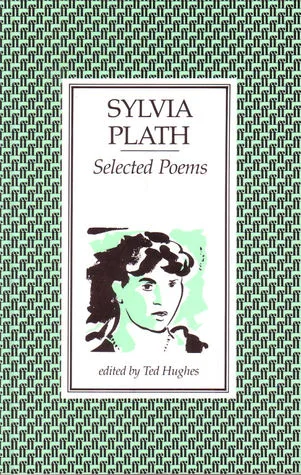
This collection organizes the evolution of Sylvia Plath’s poetic voice, spanning from the controlled, formal structures of her early apprentice work to the visceral, uninhibited stanzas of her final years. The poems document domestic life, biological processes, and psychological distress through sharp, clinical imagery. Readers encounter specific references to hospital corridors, beehives, kitchen appliances, and pastoral landscapes of the English countryside. The text includes well-known pieces like Daddy and Lady Lazarus, which utilize Holocaust metaphors and mythological archetypes to describe personal trauma and fury.
Poets and students of literature read this volume to observe how technical mastery over meter and rhyme eventually gave way to a fragmented, urgent style. The book attracts those interested in the intersections of gender roles, mental illness, and mid-century family dynamics. A reader walks away with a clear understanding of Plath’s linguistic precision and her ability to turn mundane household objects into symbols of existential threat. The chronological arrangement provides a factual map of a writer refining her craft under extreme internal pressure.
- Published
- 1981
- Language
- EN