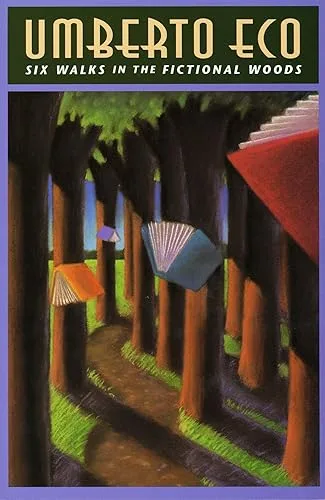
Based on a series of Harvard lectures, Umberto Eco analyzes the mechanics of narrative fiction by comparing literary texts to a forest. He distinguishes between the model reader, who follows the author’s structural signals, and the empirical reader, who incorrectly projects personal life onto the page. Using examples like Dumas’s The Three Musketeers and Nerval’s Sylvie, Eco explains how authors manipulate narrative time through "lingering" and how they build fictional protocols to establish trust with an audience. He examines how readers suspend disbelief and manage the blurred boundaries between historical facts and invented details.
This book serves literary students, writers, and semioticians who want to understand the technical collaboration between a creator and their audience. Readers learn to identify the invisible rules that govern storytelling and how a text selects its ideal public. The final takeaway is a sharper analytical lens for dissecting how fake worlds function and why humans often feel more at home in storied landscapes than in real history. It provides a formal vocabulary for discussing the art of reading as a participatory act.
- Published
- 1994
- Language
- EN
More by Umberto Eco
See all →



Readers also enjoyed