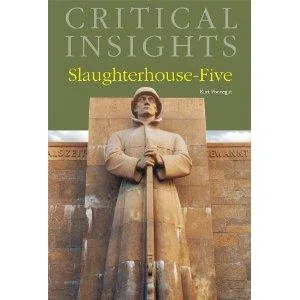
Leonard Mustazza provides a critical examination of Kurt Vonnegut’s most famous novel, placing it within the historical context of the 1945 firebombing of Dresden. He analyzes the narrative structure centered on Billy Pilgrim, a chaplain’s assistant who experiences time as a non-linear series of events. Mustazza breaks down the intersection of science fiction elements, such as the Tralfamadorian philosophy of fatalism, with the psychological reality of post-war trauma. The text explains how Vonnegut utilizes dark humor and fragmented storytelling to represent the difficulty of witnessing mass destruction.
This volume serves students and literary scholars looking for a structured guide to Vonnegut’s satire and biographical influences. Readers use this analysis to understand the literary techniques that define late twentieth-century postmodernism. The book provides a clear framework for interpreting the recurring motif of "so it goes" and the specific satirical targets within the American military hierarchy. By the end, the reader possesses a deeper technical knowledge of how the novel functions as both a memoir and a critique of institutionalized violence.
Balanced in tone; a moderate read.
Best for readers like The Escapist Adventurer. Which reader are you?
- Published
- 2011
- Language
- EN

