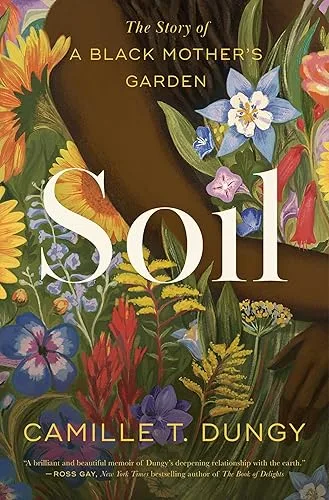
Camille T. Dungy chronicles the seven-year process of replacing her traditional, water-intensive lawn in Fort Collins, Colorado, with a diverse ecosystem of prairie grasses and native plants. She documents technical challenges, such as navigating restrictive municipal codes and local water scarcity, while tracking the return of specific pollinators to her yard. The narrative connects the labor of gardening to the histories of Black land ownership and the violent displacement that shaped the American West. Dungy treats the garden as a physical archive where environmental science, botanical observation, and personal ancestry intersect.
Readers interested in the intersection of ecology and social history will find a practical account of domestic rewilding. It serves those looking for a detailed look at how individual land management decisions influence local biodiversity. The book provides a framework for understanding human relationships with the earth through the lens of racial identity and environmental justice. Readers walk away with a specific methodology for observing seasonal shifts and a historical context for the plants that populate the North American landscape.
- Published
- 2023
- Language
- EN