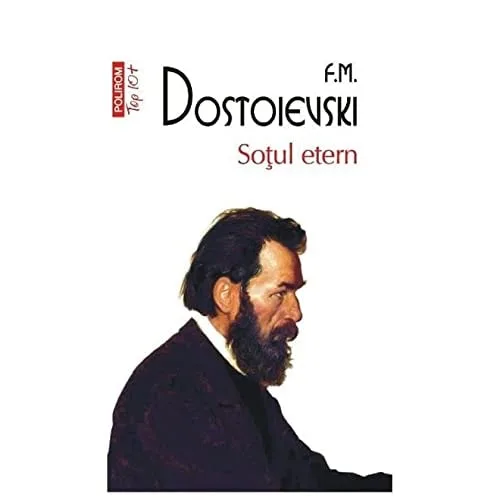
The narrative centers on Velchaninov, a wealthy man living in St. Petersburg, who is suddenly confronted by Pavel Pavlovich Trusotsky, the widower of his former lover. Trusotsky knows Velchaninov fathered a daughter with his late wife, yet he displays an unsettling, worshipful attachment to his rival rather than simple hatred. Their interactions oscillate between psychological intimidation and drunken intimacy as they navigate the complications of shared paternity and resentment. This novella examines the specific archetype of the "eternal husband" who finds identity only through marriage and subsequent betrayal.
This book serves readers interested in the volatility of male friendships and the mechanics of subconscious guilt. It appeals to those who study the psychological interplay between the victim and the transgressor. The reader gains an understanding of how shame and curiosity can bind two enemies together in a cycle of mutual dependency. By the final chapter, one observes how individuals often repeat destructive patterns in their romantic and social lives despite recognizing the harm those patterns cause.
Insights from Soțul etern
Liza is the only innocent person in this entire mess. She dies because adults are too busy playing psychological games to actually care for her. It makes me sick how they use a child as a weapon.
“He was my best friend.”
The way Trusotsky nurses Velchaninov through a fever tells you everything. He wants to save the man just so he can be the one to kill him later. It's a terrifying kind of intimacy.
Natalya Vasilyevna was the puppet master long after she died. She picked a weak husband and a guilty lover. Both men are still trapped in her orbit years later.
“I am a malicious man.”
Velchaninov thinks he's superior because he feels guilty. But his guilt is just another form of vanity. He's still a bored aristocrat playing with lives.
- Published
- 1870
- Publisher
- Polirom
- ISBN
- 9789734687855
- Language
- EN