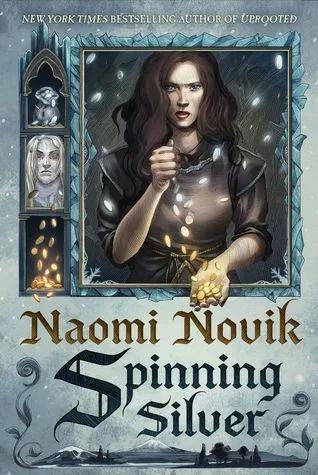
Miryem is a moneylender’s daughter in a frozen village who gains a reputation for turning silver into gold. Her boast attracts the Staryk, cold fae creatures who demand she transform their white silver into yellow gold, threatening her with death. The narrative interlocking includes Wanda, a farmhand escaping an abusive father, and Irina, a duke’s daughter forced to marry a czar possessed by a fire-demon. These three women navigate a winter landscape where magic functions as a high-stakes ecological and financial negotiation with supernatural forces.
Fantasy readers interested in folklore and economics value this book for its unsentimental depiction of survival and agency. It appeals to those who enjoy seeing fairy tale archetypes, like Rumpelstiltskin, reframed through Jewish cultural identity and historical reality. The reader walks away with a perspective on how personal autonomy is forged through difficult bargains and how collective action can dismantle inherited power structures. It provides a grounded look at how marginalized individuals survive both human greed and otherworldly indifference.
Balanced in tone; a moderate read.
Best for readers like The Escapist Adventurer. Which reader are you?
Insights from Spinning Silver
“The world I lived in had no particular polish on it.”
Miryem turns silver into gold by being cold and demanding. It shows how being hard is sometimes the only way to survive when everyone expects you to be soft.
“I did not know what else to do with my hands.”
Wanda finds her first sense of worth through math and chores. Simple labor becomes a sanctuary when your home life is a nightmare.
“A bargain is a bargain.”
The Staryk king is terrifying because he is beautiful and heartless. He treats people like property because he cannot imagine wanting anything else.
“I was not the chosen one. I was the one who stayed.”
Irina marries a monster and just decides to outsmart him. She does not wait for a hero to save her from the fire.
- Published
- 2018
- Publisher
- Del Rey
- Language
- EN