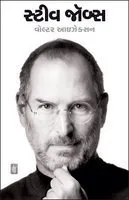
Walter Isaacson chronicles the life of Steve Jobs, tracing his path from a garage start-up to the leadership of Apple and Pixar. The narrative documents Jobs’s development of the Macintosh, his public ousting from Apple, and his subsequent return to save the company through products like the iMac, iPod, and iPhone. Isaacson details Jobs’s insistence on closed, integrated systems and his "reality distortion field," a psychological tactic used to push engineers beyond technical limits. The text examines his obsession with minimalist design and the fusion of liberal arts with silicon technology.
Entrepreneurs and design professionals read this biography to observe the friction between creative vision and corporate management. Readers obtain a direct look at how abrasive leadership and a refusal to compromise on aesthetic standards can dictate market trends. The book provides a case study in vertical integration and branding, showing how one individual’s demand for perfection influenced the hardware and software used daily around the globe. Those interested in the history of computing walk away with a timeline of the digital revolution.
Insights from Steve Jobs
“Simplicity is the ultimate sophistication.”
The focus on simplicity came from his time studying Zen. He pruned his life and his products down to the bone.
He was often cruel to the people he loved most. It shows how genius and kindness don't always live in the same house.
Steve obsessed over the packaging of the iPod for months. He knew the feeling of opening a box was part of the magic.
“Real artists ship.”
He saw himself as an artist who happened to use technology. That distinction changed how every gadget in your pocket looks today.
- Published
- 2011
- Publisher
- Simon and Schuster
- ISBN
- 9781501127625
- Language
- EN


![స్టీవ్ జాబ్స్ [Steve Jobs]](https://kwbjoqloympvbpzbrfja.supabase.co/storage/v1/object/public/scan-images/catalog/24050299-311a-4533-9994-e23b28c02926-full.webp)