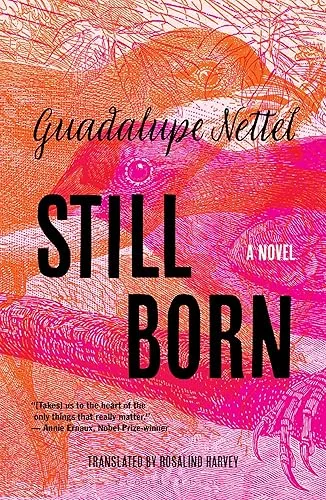
In Mexico City, Laura and her close friend Alina reach their thirties with a shared resolve to remain childless. Laura undergoes a tubal ligation to cement this independence, while Alina unexpectedly reverses her stance and conceives. The narrative follows Alina’s pregnancy after a medical diagnosis reveals her daughter will be born with a fatal brain abnormality. Instead of the expected bereavement, the child survives, forcing Alina into a grueling regimen of care and neurological rehabilitation. Parallel to this, Laura develops a bond with her neighbor’s neglected son, Nicolas, assuming a maternal role she had previously rejected. This juxtaposition centers on the physical and psychological labor of caretaking when it occurs outside of idealized biological expectations.
This book is intended for readers interested in the sociology of the family and the ethics of reproductive choice. It appeals to those examining the tension between personal autonomy and the social obligation to provide care for the vulnerable. Readers walk away with a unsentimental perspective on motherhood that distinguishes between the biological impulse to procreate and the actual practice of raising a child. It provides a framework for understanding how women navigate grief, disability, and communal support systems when traditional domestic structures fail to offer stability.
Inward-looking and thought-provoking; a moderate read.
Best for readers like The Empathetic Explorer. Which reader are you?
- Published
- 2020
- Language
- EN