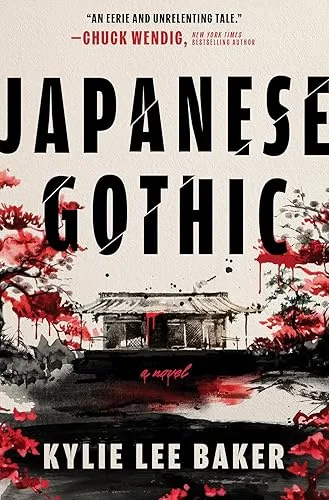
An occult blogger receives a series of digital files containing nine seemingly mundane illustrations, ranging from children’s sketches to architectural floor plans. Through obsessive digital forensics and interviews, the narrator uncovers hidden geometry and unnatural inconsistencies within the images. Each chapter functions as a standalone investigation into a specific picture, eventually linking back to a cold case involving a disappearance and a ritualistic obsession. The mystery centers on decoding visual metaphors to reveal the exact physical locations where a series of violent crimes occurred.
Fans of Japanese horror and detective fiction value this work for its interactive, puzzle-based structure. Readers who enjoy deciphering clues alongside the protagonist will find a narrative built on deductive reasoning and spatial logic. The book provides a technical breakdown of how visual media can camouflage evidence of the supernatural. It leaves the audience with a heightened awareness of the hidden meanings behind everyday surroundings and a lingering skepticism toward the reliability of digital artifacts and architectural layouts.
Insights from Strange Pictures
Looking at a floor plan shouldn't feel scary. But these drawings show how much people can hide in plain sight.
“There was no window in that room.”
Every house has secrets baked into the blueprints. Sometimes a missing window isn't a mistake. It is a choice.
Kurihara notices things most people ignore. He sees the cruelty in a poorly placed wall.
The child in the drawing looks like a ghost. It makes you wonder what kind of home creates that kind of art.
- Published
- 2025
- Publisher
- HarperVia
- ISBN
- 9780063433083
- Language
- EN