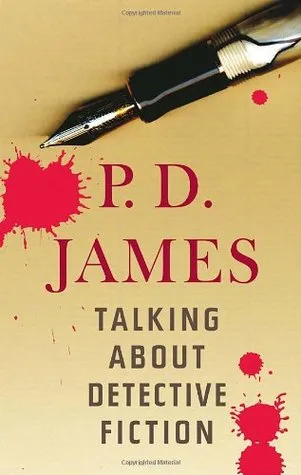
In this concise history, P.D. James charts the evolution of the mystery genre from its nineteenth-century origins in the works of Wilkie Collins and Arthur Conan Doyle to the modern psychological thriller. She examines the structural requirements of the formal detective story, analyzing how the genre transitioned from the manor-house puzzles of the Golden Age to the gritty realism and social commentary of contemporary writers. James focuses on the technical craft of plotting, the necessity of a credible setting, and the changing role of the professional investigator.
This book serves students of English literature and aspiring novelists who need a technical breakdown of narrative construction. Readers gain a clear understanding of the genre’s internal rules, such as the fair-play convention where authors provide the audience with all clues necessary to solve the crime. The text provides a framework for categorizing different sub-genres and explains how authors balance character development with the strict requirements of a closed-circle mystery. Anyone interested in the mechanics of suspense walks away with a historical perspective on why detective fiction persists as a dominant literary form.
- Published
- 2009
- Language
- EN