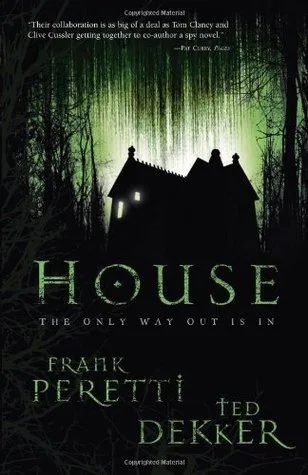
In December 1975, George and Kathleen Lutz moved their family into a large Dutch Colonial house at 112 Ocean Avenue in Amityville, New York. Despite knowing that Ronald DeFeo Jr. had murdered six family members inside the home thirteen months earlier, the Lutzes stayed for only twenty-eight days. The narrative outlines a chronological descent into chaos involving black bile leaking from toilets, swarms of flies in winter, and a recurring demonic entity with glowing red eyes. Physical manifestations of the haunting include damaged doors and windows, alongside psychological symptoms like personality changes and sudden, inexplicable drops in temperature.
Fans of investigative horror and paranormal accounts read this book to experience the domestic tension of a family under supernatural siege. It appeals to those fascinated by the intersection of criminal history and suburban folklore. Readers walk away with a detailed timeline of how an alleged haunting escalates from minor sensory anomalies to total physical displacement. The text offers a classic blueprint for the haunted house trope where a residence retains the violent energy of its past, leaving the audience to weigh eyewitness testimony against rational skepticism.
Practical, clear-cut and escapist; an easy read.
Best for readers like The Escapist Adventurer. Which reader are you?
Insights from The Amityville Horror
“The temperature in the room had dropped to the freezing point.”
The way the cold spots never go away felt so heavy. You can turn the heat up, but some chill just lives in the floorboards.
That red room behind the basement wall felt like a secret heartbeat. It makes you wonder what previous owners left behind in your own house.
“Get out!”
Father Mancuso getting sick just for trying to help was terrifying. It feels like the house protects its own darkness by attacking anyone who brings light.
George changed so much after they moved in. He stopped caring about his business and just sat by the fire with an axe.
- Published
- 1977
- Language
- EN