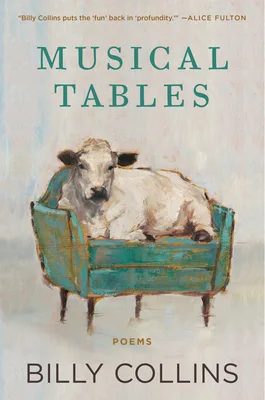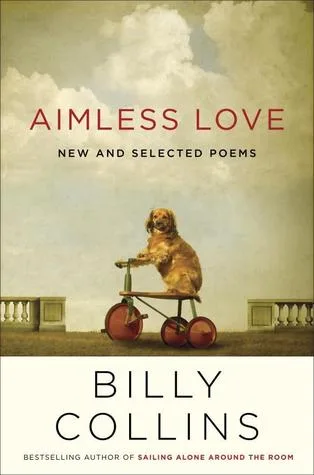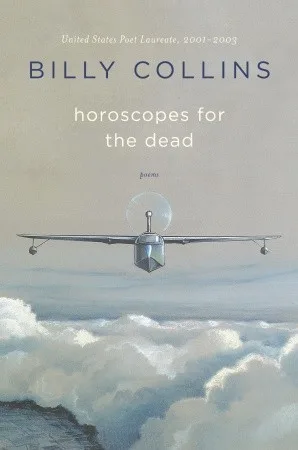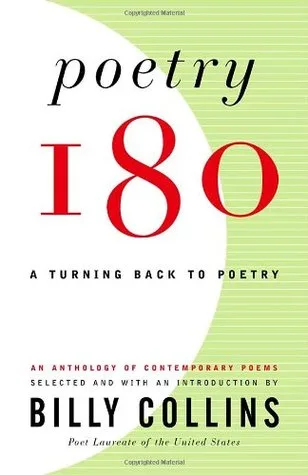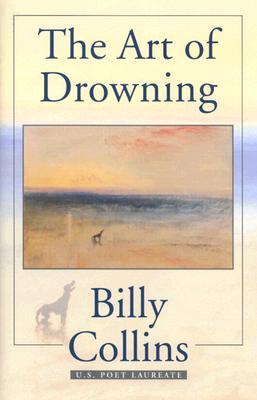
Billy Collins uses this collection to scrutinize the textures of domestic life, mortality, and the act of looking. He writes about the absurdity of Victorian drowning manuals, the lonely experience of reading a poem, and the quiet behavior of dogs or jazz musicians. Rather than seeking grand revelations, the work focuses on the mechanics of thought as it moves from a kitchen table or a rainy window toward larger questions of existence. Collins maps the specific distance between a mundane physical object and the imaginative tangents it triggers.
This book serves casual readers and students who want accessible language replaced by sharp wit. It appeals to those tired of impenetrable abstraction, offering instead a clear framework for seeing the humor in daily isolation. The reader walks away with a refined ability to observe their own environment with ironic detachment and a renewed attention to the small, rhythmic ironies that define human interaction. The collection provides a model for turning simple observations into structured reflections on time and memory.
- Published
- 1995
- Language
- EN