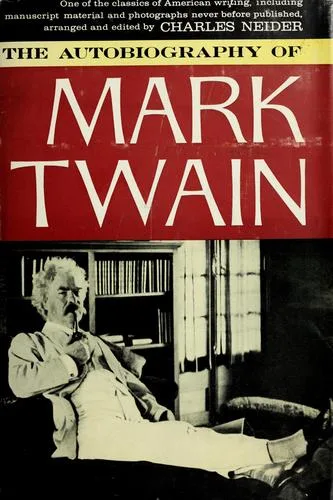
Samuel Clemens rejects the chronological narrative of typical memoirs, opting instead for a conversational stream of consciousness. This collection, edited by Charles Neider, assembles Twain’s dictated notes, essays, and journal entries regarding his childhood in Hannibal, Missouri, and his later career as a public speaker. He details his financial failures in the publishing industry, his grief following the death of his daughter Susy, and his candid observations on political hypocrisy. The text focuses on the friction between a public persona and the private man, using dry wit to describe his interactions with historical figures.
Readers interested in the evolution of American satire look to this work for its unvarnished portrait of the Gilded Age. It serves historians researching 19th-century riverboat culture and the technicalities of early copyright law. Those who value colloquial storytelling gain an understanding of how Twain constructed his literary voice. The reader finishes the book with a clear view of the author's skepticism toward human nature and his specific methods for translating memory into humorous prose.
- Published
- 1917
- Language
- EN
More by Mark Twain
See all →