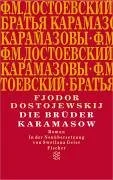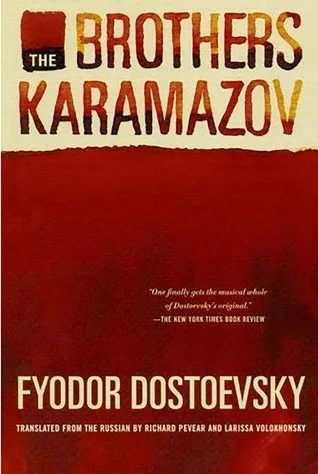
The narrative follows the moral decay of Fyodor Pavlovich Karamazov and his three sons: the impulsive soldier Dmitri, the intellectual atheist Ivan, and the novice monk Alyosha. Their lives collide through a bitter inheritance dispute and a rivalry over the same woman, culminating in Fyodor’s murder. The story centers on the legal investigation and trial of Dmitri, while using the "Grand Inquisitor" parable to contrast rationalism against spiritual devotion. Dostoevsky examines how individual guilt links to collective responsibility and whether morality can exist without a belief in immortality.
Readers interested in the psychology of crime and the tension between religious faith and secular logic find this work vital. It appeals to those seeking a deep analysis of how childhood trauma and family dysfunction shape adult behavior. By the end, the reader understands the psychological mechanics of resentment and the difficulty of practicing active love in a cynical world. The book provides a rigorous framework for evaluating personal ethics and the limits of human justice when faced with the ambiguity of truth.
Insights from The Brothers Karamazov
“I am a Karamazov. For when I do leap into the abyss, I go headlong.”
Dmitri is a total mess but he has a huge heart. Seeing him find joy in a prison cell changed how I look at suffering.
“Above all, do not lie to yourself.”
Alyosha is the only one who really listens to people. He shows that being kind is much harder than being smart.
“It’s not God that I don’t accept, Alyosha, only I most respectfully return him the ticket.”
Ivan thinks he can logic his way out of feeling guilty. Then his own mind betrays him and he sees a literal devil.
“In the end they will lay their freedom at our feet, and say to us, 'Make us your slaves, but feed us.'”
The Grand Inquisitor scene is terrifying. It suggests people actually hate freedom and just want someone to feed them.
- Published
- 1880
- Publisher
- Farrar, Straus and Giroux
- ISBN
- 9780374528379
- Language
- EN