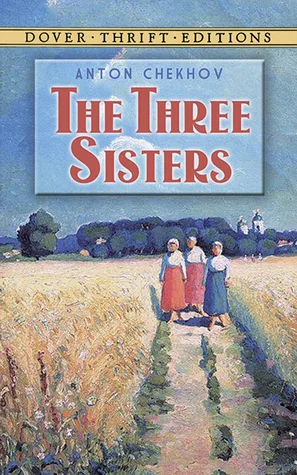
Madame Lyubov Ranevskaya returns to her family estate in Russia after years of exile in Paris to find her ancestral home facing public auction to pay off debts. At the center of the property is a vast, unproductive cherry orchard that symbolizes her aristocratic heritage. Despite the pragmatic warnings of Lopakhin, a wealthy businessman whose ancestors were serfs on the land, Ranevskaya and her brother, Leonid Gayev, refuse to acknowledge their financial ruin. They cling to nostalgic memories of the past while the deadline for the sale approaches. Ultimately, Lopakhin purchases the estate, orders the trees cut down to build vacation villas, and the family departs into an uncertain future.
Readers who enjoy character-driven drama and social history find this play a precise study of class displacement and the sensation of time passing. It appeals to those interested in the transition from feudalism to industrial capitalism in late-nineteenth-century Russia. The reader leaves with a clear view of how nostalgia can lead to paralysis and how economic shifts force the dismantling of old social structures. It provides a stark look at the contrast between those who adapt to change and those who are destroyed by it.
- Published
- 1903
- Language
- EN