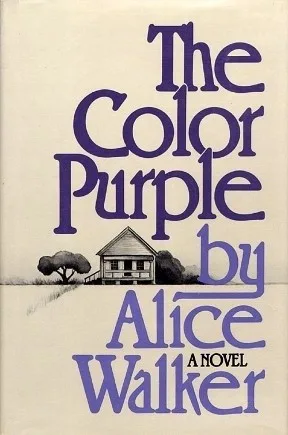
Set in the rural American South during the early twentieth century, this epistolary novel follows Celie, a young Black woman who begins writing letters to God after suffering years of physical and sexual abuse from her stepfather. The narrative tracks her forced marriage to a violent widower, known only as Mr. ____, and her eventual separation from her sister, Nettie. Through her relationships with the assertive Sofia and the glamorous singer Shug Avery, Celie gains financial independence and a sense of self-worth. The story documents the convergence of domestic brutality, systemic racism, and the development of her own spiritual philosophy.
Readers interested in historical fiction and gender politics study this text for its portrayal of Black female agency under Jim Crow laws. It attracts those looking for a detailed look at how marginalized individuals build communal support systems and resist patriarchal dominance. The reader walks away with a concrete understanding of the transition from Victorian social constraints to the early civil rights era, as well as the linguistic shifts in African American Vernacular English used to document personal reclamation.
Insights from The Color Purple
“Matter of fact, I think this the youngest us ever felt.”
The ending feels like a deep breath after being underwater for years. Everyone finally gets to sit on the porch and just exist together.
“I think it pisses God off if you walk by the color purple in a field somewhere and don't notice it.”
Celie finds God by looking at flowers instead of old men in the sky. It made me look at the grass differently for a week.
“I'm pore, I'm black, I may be ugly and can't cook... But I'm here.”
Shug Avery is the first person to truly see Celie as a human being. Their love feels like a quiet miracle in a house full of noise.
Writing those letters to God was the only way Celie could keep her soul intact. It shows how much silence can actually hurt a person.
- Published
- 1976
- Publisher
- Penguin Books
- ISBN
- 9780143135692
- Language
- EN
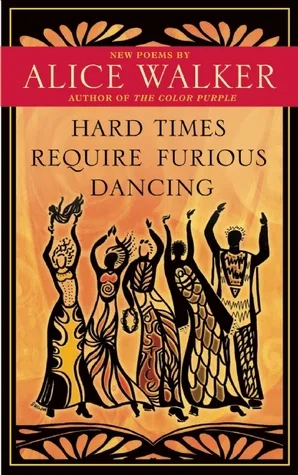
Quotes by Alice Walker
More →The most common way people give up their power is by thinking they don't have any.
More by Alice Walker
See all →

Readers also enjoyed