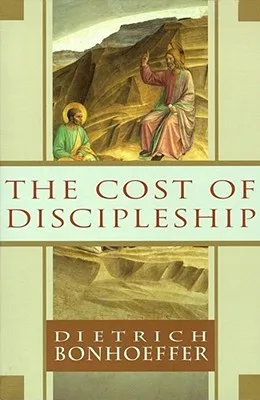
Dietrich Bonhoeffer centers his argument on the distinction between cheap grace and costly grace. He defines cheap grace as the preaching of forgiveness without requiring repentance, baptism without discipline, and communion without confession. To counter this, he outlines a theology of obedience based on the Sermon on the Mount, arguing that faith is only real when it manifests as visible, sacrificial action. Writing during the rise of the Third Reich, Bonhoeffer asserts that following Christ requires an absolute break from worldly systems and a willingness to suffer alongside the marginalized.
This book serves readers looking for a rigorous analysis of Christian ethics and the practical requirements of modern martyrdom. Those who study this text seek to understand the tension between institutional religious practice and individual moral responsibility. The reader walks away with a framework for evaluating their own commitments and a concrete understanding of how spiritual convictions inform political and social resistance. It provides a blueprint for maintaining integrity when religious institutions compromise with authoritative regimes.
Deep and inward-looking; a moderate read.
Best for readers like The Empathetic Explorer. Which reader are you?
- Published
- 1937
- Language
- EN