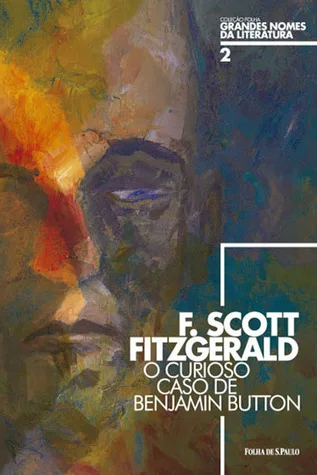
In this adaptation, Benjamin Button is born with the physical appearance and ailments of a seventy-year-old man, forcing his father to navigate social embarrassment in nineteenth-century Baltimore. As the clock moves forward for the rest of society, Benjamin physically regresses toward infancy. He serves in the Spanish-American War, marries, and manages a family business, all while his body grows more athletic and his hair regains its color. Eventually, he loses his memories and independence, entering a nursery as a small child while his own son grows old.
Readers of classic fiction and visual storytelling turn to this version for its concrete depiction of biological inversion. It appeals to those interested in the logistical friction between an individual and a society governed by linear time. The reader walks away with a blunt perspective on the inevitability of dependence at both ends of life. By witnessing a life lived from the grave to the crib, the audience recognizes that the physical decline associated with aging is identical to the helplessness found in early childhood.
Insights from The Curious Case of Benjamin Button
“He was eighty years old and his hair was white.”
Benjamin starts life as a seventy year old man in a crib. It shows how much we rely on outward appearances to judge someone's soul.
“He was forced to play with lead soldiers and strips of calico.”
Watching his father try to force him to play with rattles was heartbreaking. We often demand people fit our expectations instead of seeing who they really are.
“She had little taste for the company of young men.”
Hildegarde fell in love with him when he looked older and wiser. Her attraction faded as he grew younger and more reckless.
“They were separated by a wide gulf of years.”
Time separates people even when they stay together. He grew young while his wife grew old and they eventually had nothing left to say.
- Published
- 2007
- Publisher
- Scribner
- ISBN
- 9781416556053
- Language
- EN