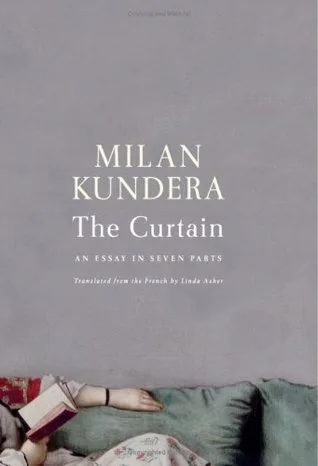
In this seven-part reflection on the history of the novel, Milan Kundera argues that the genre functions as a tool for shredding the "curtain" of pre-interpreted reality. He examines the evolution of European fiction through the works of Cervantes, Rabelais, Sterne, and Kafka, mapping out what he calls the "world literary space." Kundera rejects nationalistic interpretations of literature, proposing instead that novels must be understood within an international continuity. He discusses the specific value of the comic, the role of irony in exposing human complexity, and the ways in which the novel captures the "prosaic" nature of modern existence that history books often overlook.
This volume is intended for novelists, scholars, and serious readers interested in the formal mechanics of storytelling. It appeals to those who want to understand the distinction between the history of nations and the history of art. Readers gain a framework for analyzing how a narrative reveals the fragility of human certainty. By the end, the reader possesses a clearer vocabulary for identifying how great fiction deconstructs social myths and preserves the individual experience against the pressure of collective ideologies and simplified historical narratives.
- Published
- 2005
- Language
- EN
More by Milan Kundera
See all →
Readers also enjoyed