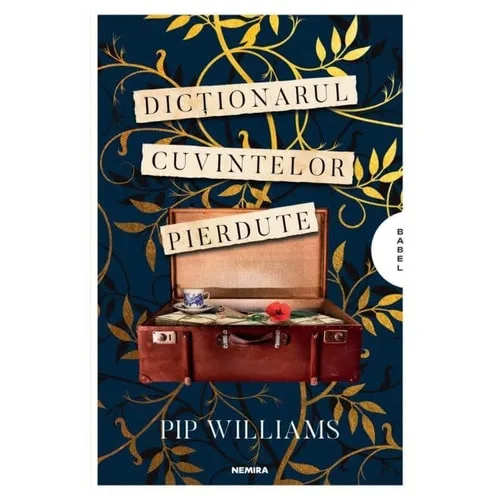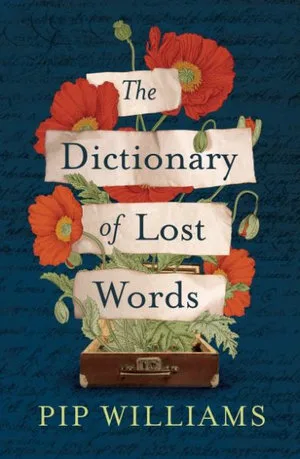
Set in the late nineteenth century during the compilation of the first Oxford English Dictionary, Esme Nicoll grows up beneath the sorting table where her father and other lexicographers classify words. She begins collecting the paper slips they discard—terms deemed too common, vulgar, or feminine for official inclusion. This private collection becomes the Dictionary of Lost Words. As the suffrage movement gains momentum and the Great War approaches, Esme realizes that the men defining the English language are systematically erasing the lived experiences of women and the working class.
Readers interested in the intersection of linguistics and feminist history will find value in this examination of how academic gatekeepers shape reality. The narrative appeals to those who enjoy Victorian settings and the technical details of bookbinding and archival work. Readers finish the book with an understanding of how language acts as a tool of social exclusion. It provides a specific look at how the definitions we use every day are influenced by the biases of the individuals who record them.
Insights from The Dictionary of Lost Words
“Some words are more important than others. That’s the first thing I learned.”
Esme hiding under the table to catch scraps of paper feels so intimate. It makes you realize how much history we lose just because nobody wrote it down.
“I didn’t know then that words could be stolen.”
The word bondmaid stayed with me for days. It was just a scrap of paper to the men. To Esme, it was a whole woman's life.
Seeing the Scriptorium through a child's eyes changes everything. You see how much power those men had to decide which lives mattered and which didn't.
“Words are like eggs. Once they are cracked, they cannot be fixed.”
Tilda’s character shows how much courage it took to just speak up. Her fight for the vote wasn't just about politics. It was about being heard.
- Published
- 2020
- Language
- EN