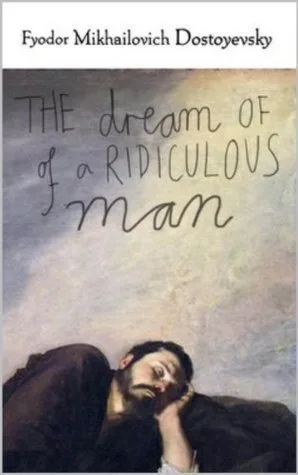
A cynical protagonist, convinced that nothing in the universe possesses objective value, decides to commit suicide. After dismissively shunning a distressed young girl, he falls asleep with a revolver nearby and dreams of his own death and subsequent transport to a second Earth. In this celestial mirror world, he discovers a society of humans living in a state of prelapsarian innocence, free from shame, grief, or systemic cruelty. However, his mere presence as a modern observer introduces the concepts of lying, jealousy, and war, eventually corrupting the entire utopian civilization into a reflection of his own fractured reality.
Readers interested in the intersection of nihilism and Christian existentialism study this short story to understand Dostoevsky’s rejection of rationalist apathy. It appeals to those questioning whether human suffering is an inherent biological trait or a correctable moral failure. The reader finishes the text with a specific ethical framework: the conviction that individual consciousness can choose to affirm life through active love and the recognition of others, even when faced with a world that appears fundamentally indifferent or broken.
- Published
- 1877
- Language
- EN