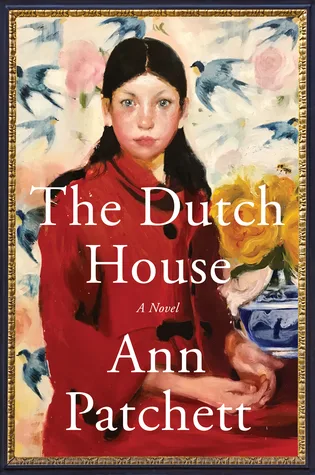
Danny Conroy narrates his life through the lens of the Dutch House, an architectural marvel in Pennsylvania purchased by his father. After their mother abandons the family and their father dies, Danny and his older sister, Maeve, are evicted by their stepmother, Andrea. The siblings spend decades parked in a car outside the estate, obsessed with their shared exile. Their bond centers on the psychological weight of their inheritance and the physical space they lost, tracking how childhood loss dictates their adult choices and health.
Readers interested in the long-term effects of sibling loyalty and resentment will find a detailed study of how individuals process family trauma. The book serves those looking for insight into how holding onto past grievances can stall personal development. It offers a practical look at the difficulty of reconciliation and the necessity of detachment from material history. A reader exits the story with a clearer understanding of how memory functions as both a sanctuary and a self-imposed prison when dealing with parental abandonment.
Insights from The Dutch House
“We had made a fetish out of our misfortune.”
Maeve and Danny spent decades sitting in that car looking at their old house. It shows how siblings can get trapped in the same loop forever.
“The house was the world.”
The glass walls of that house meant everyone could see in. It made the kids feel like they were living in a museum instead of a home.
“She was a saint, but a saint is a difficult thing to be related to.”
Elna leaving her kids to help the poor felt like a betrayal to them. Her goodness to strangers became a wound for her own family.
“I was a doctor because of Maeve.”
Danny only went to medical school to please his sister. People often build entire lives around debts they don't actually owe.
- Published
- 2019
- Publisher
- Harper
- ISBN
- 9780062963673
- Language
- EN